Anunțuri
Welcome to your guide on tips for budgeting that make saving easier and lessen stress. This article is full of friendly advice on how to manage money in the U.S. It aims to help you become stronger financially, achieve your dreams, and spend smarter.
Anunțuri
Why is budgeting important? It helps bring your dreams to life. If you want to build an emergency fund, get rid of student debt, buy a house, or save for retirement, smart budgeting provides a clear roadmap. A strong plan also makes everyday choices easier and lowers worry about money.
For our U.S. readers, we discuss things like getting paid every two weeks or once a month, typical bills (like rent and car insurance), and paying off student loans. We’ll show how benefits from work, such as 401(k) matching and health savings accounts, are part of good financial planning.
Here’s what to expect: This article will guide you on starting a budget, zero-based budgeting, creating an emergency fund, the best budgeting apps, and how to cut regular expenses. It includes ways to save on groceries, pay off debt, save automatically, slash utility bills, develop saving habits, and start investing for the future.
In this piece, you’ll find practical, easy smart budgeting tips. These are connected to real-life advice for daily and long-term success in handling personal finances.
Concluzii cheie
- Budgeting tips help turn financial goals into achievable steps.
- Smart budgeting tips reduce stress and improve money management.
- U.S. payroll cycles and common monthly bills shape practical plans.
- Include employer benefits like 401(k) matches and HSA contributions.
- This guide maps a clear path from basics to investing for long-term growth.
budgeting tips for beginners: getting started with a plan
Starting a budget is easier with a clear plan. First, look at the money you get and your monthly bills. Then, pick a budgeting system that works for you. These tips are about simple, doable steps to manage your money better.
Assessing your income and monthly expenses
To start, figure out your net pay – what you earn after taxes and deductions. If your income changes often, find an average from the past year. Always keep your paycheck stubs and bank records to check your numbers.
Next, write down your regular and changing expenses. Think about fixed costs like rent and insurance and variable ones like food and fun. Don’t forget about bills that come less often, like car registration or holiday expenses.
Use your bank statements, bills, and a simple spreadsheet to track what you earn and spend. Try to do this for a few months to see patterns. For everyday spending, use different envelopes to avoid spending too much.
Setting realistic financial goals
Divide your goals by time. Short-term goals are for the next year, like saving for a trip. Goals for 1 to 5 years might be for buying a home. Long-term goals are over 5 years, like saving for retirement.
Goals should be SMART: Specific, Measurable, Achievable, Relevant, Time-bound. When money is tight, decide which goals are most important. Start by saving for emergencies, aiming for 3 to 6 months’ worth of expenses.
Create steps and percentages to measure your progress. Try to save 10-15% for retirement if you can. Celebrating small successes keeps you motivated and helps make your financial goals achievable.
Choosing a budgeting method that fits your lifestyle
Look into different budgeting methods and pick one that suits you. The 50/30/20 rule divides your income into needs, wants, and savings. The envelope system helps you control spending on changing expenses.
Starting with savings is the idea behind pay-yourself-first. Percentage-based budgets give each spending category a fixed share of your income. Choose a method based on how complex you want it, the size of your household, and how steady your income is.
Begin with an easy plan, like the 50/30/20 rule or pay-yourself-first. If you need more control, consider detailed budgeting later on. Test a method for a month, then adjust it to better fit your lifestyle.
Creating a zero-based budget to control spending
A zero-based budget makes every dollar count, helping you manage money better. Start by figuring out your net pay. Then, list your regular bills and save for your goals. Keep assigning money to different needs until what you make matches what you spend. This method makes your financial goals clear and helps you keep a tight grip on your funds.
How zero-based budgeting works in practice:
Start each month by noting your net income. Note down must-pay expenses like housing, water, and food. Don’t forget to save for emergencies or retirement. Include money for upcoming costs, like fixing your car or yearly insurance. Use budgeting tools, like EveryDollar or YNAB, to stay on track.
To use every dollar wisely, follow these steps:
- Figure out your net income after taxes and deductions.
- Pay for important things first: a place to live, food, getting around, and insurance.
- Put money into savings and pay off debts: for emergencies, student loans, and credit cards.
- Plan how much to spend on fun things: meals out, movies, monthly subscriptions.
- Keep adjusting until your budget balances at zero; put extra money towards debts or savings.
To put this idea to work, consider these examples. Save $300 a month for emergencies, $50 for car upkeep, and $25 for insurance each year. If you earn more, use the extra for investments or paying down loans faster. If you earn less, cut back on optional items and rework your budget quickly.
Watch out for common mistakes with zero-based budgeting:
- Guessing low for changing expenses can leave you short on cash.
- Too strict categories can make you give up.
- Not updating your budget when your income changes can mess up your plans.
Practical tips to avoid these budgeting errors:
- Add a “miscellaneous” category for unexpected costs.
- Check your spending weekly to spot issues early.
- Set up automatic transfers to savings and debts to make saving easier.
| Step | Action | Typical Amount | Benefit |
|---|---|---|---|
| 1 | Record net income | $3,500 | Clear starting point for every plan |
| 2 | Fund essentials | $2,000 | Covers housing and bills reliably |
| 3 | Save and pay debt | $700 | Builds emergency cushion and reduces interest |
| 4 | Discretionary spending | $500 | Maintains quality of life |
| 5 | Buffer/miscellaneous | $300 | Absorbs variable costs and prevents overspend |
Building an emergency fund for financial resilience
Having an emergency fund lets you handle unexpected costs with ease. Start by defining a clear plan and tracking your key expenses. Aim for small, achievable goals to keep you motivated and moving forward. These steps will help build your confidence.
How much to save and target timelines
Try to save 3–6 months of living costs. If you’re the only earner, work freelance, or have a risky job, save for 6–12 months. Start by saving $1,000 within 1–3 months. Then, aim for 3–6 months’ worth of savings within 6–24 months.
First, figure out your must-pay expenses like housing and food. Then, use this number to plan your monthly saving goal and realistic timelines.
Where to keep your emergency savings
Put your savings in safe, easily accessible U.S. accounts. Consider high-yield savings accounts at banks like Ally or credit unions. Make sure your choice has quick access and is insured by FDIC or NCUA within the set limits.
Avoid risky options like stocks or long-term CDs that come with penalties for early withdrawal. Choose an account that offers a good balance between earnings and access, depending on what you’re comfortable with.
Strategies to grow the fund faster
Set up auto transfers from your paycheck to save effortlessly. Put any extra money like tax refunds or bonuses into your savings. This way, you don’t end up spending it.
Reduce non-essential spending and try earning extra on the side to save more. Keep separate funds for expected costs like car maintenance or holidays, so you don’t dip into your emergency savings.
Check your saving strategy every six months. Increase your savings as your income or expenses change. This keeps you on track to grow your emergency funds over time.
Using apps and tools to simplify money management
Digital tools can make budgeting simpler. They help you see your money clearly. Pick apps that fit your goals, like easy tracking or detailed investment oversight.
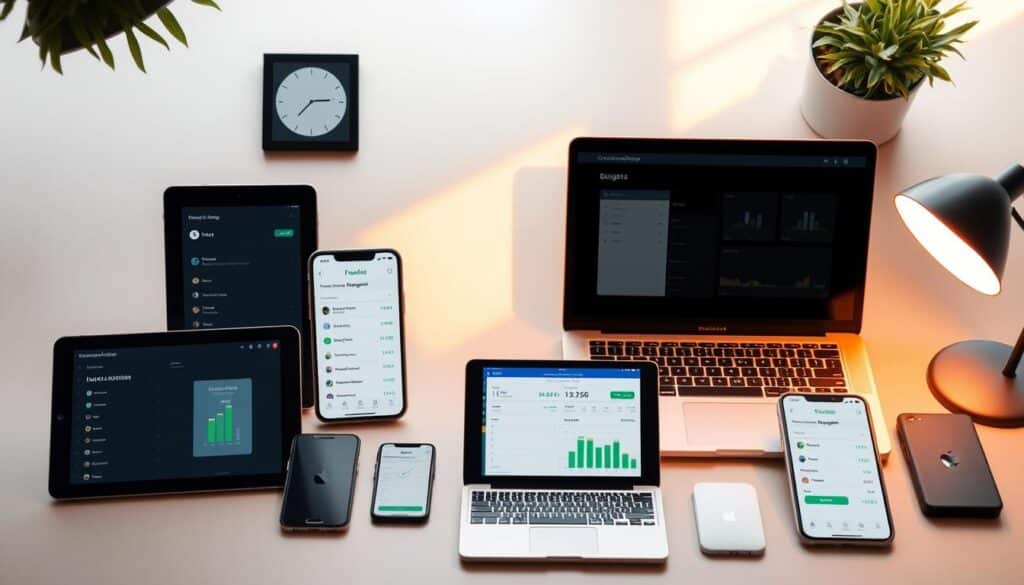
Top budgeting apps for U.S. users
- Mint — it’s free and great for starters with ads. It’s helpful for tracking budgets and bills.
- You Need A Budget (YNAB) — focuses on zero-based budgeting for discipline. It has a bit of a learning curve.
- EveryDollar — uses Dave Ramsey’s method for easy monthly planning. Its simple design is effective.
- Personal Capital — perfect for tracking both budgets and investments. It suits those wanting a full financial picture.
- PocketGuard — shows what you can safely spend and helps avoid overspending. Ideal for quick checks.
How to integrate apps with your bank accounts
Most apps use bank login info or services like Plaid to connect. They have read-only access for pulling balances and transactions safely.
Always turn on extra security for your bank and app accounts. Choose apps with strong data protection. Check their privacy rules before linking.
If passwords change or connections break, just reconnect. Also, correct any wrong transaction categories to keep your finance reports right.
Automations and alerts that save time
Set up auto transfers to savings or for debt. Auto-pay bills and auto-categorize repeating costs. It simplifies sticking to your financial plans.
Enable notifications for low funds, big spending, due bills, or odd activities. Alerts help avoid fees and spot mistakes early.
Mark your calendar for budget reviews every three months. Regular updates help keep your budget on track and make automation more efficient.
Cutting recurring costs without sacrificing quality
Small changes to regular bills can save a lot. Reviewing bank statements can show us unused subscriptions. Using apps like Rocket Money or spreadsheets helps track monthly expenses and decide what’s necessary.
Identifying subscriptions to cancel or downgrade
Make a list of all recurring charges. Look at what you really use. Consider pausing services you don’t often use, combining family accounts, or choosing cheaper plans with ads.
Check for duplicate software subscriptions in your home. You might be paying for similar services. Try combining them or use free trials to find what works best for you.
Negotiating bills for lower rates
Call your internet, phone, cable, and insurance providers. Tell them about other deals and ask for a better rate. Also, ask about discounts for using autopay or going paperless.
If they can’t offer a good deal, think about switching. Smaller carriers like Mint Mobile can be cheaper. Balance the cost with the service quality you need.
Smart choices for streamlining services
Only bundle services if it saves money. Pick plans that fit your actual usage. Paying more for unused features is a waste.
Check your subscriptions every year as needs change. Alternating streaming services or sticking with one main one can save money. This way, you keep what matters most at a lower cost.
Meal planning and grocery hacks to reduce food expenses
Smart meal planning helps cut down on food waste and avoids impulsive purchases. Plan your dinners based on what’s on sale, the produce in season, and protein discounts to save money. Prep ingredients in large batches and creatively use leftovers to make cooking simpler and cheaper.
Choose 3–4 dinner formats you like, such as stir-fry, pasta, sheet-pan meals, and economical soups. Rotate these templates with different ingredients to keep your meals interesting and avoid getting overwhelmed by choices. Apps like Paprika, Mealime, and Plan to Eat can help you create a practical weekly plan.
Batch prep is a time-saver. Spend a day chopping veggies, cooking grains, and prepping proteins. Reuse roasted chicken for tacos, salads, or soup to reduce costs. Checking the weekly circulars at Walmart, Kroger, or Target can guide your meal planning around the best deals.
Make shopping lists that align with the store’s layout. This organization helps you shop quicker and avoid unnecessary purchases. Always shop on a full stomach to avoid hunger-driven decisions. Comparing unit prices ensures that bulk buys actually save you money.
For staples like rice, beans, canned goods, and toiletries, bulk buying is key. Costco, Sam’s Club, and Amazon Pantry are great places for these purchases. Be cautious with perishables—only buy in large quantities if you can freeze or share them. Sharing large packs with friends or family is often a smart choice.
Maximize savings by combining coupons, digital store offers, and loyalty rewards. Use Ibotta for rebates, Honey for finding online coupons, and Rakuten for cash back. Joining supermarket programs like Kroger Plus or Safeway Club can get you specific discounts and fuel points.
When possible, stack different offers and keep an eye on expiration dates to avoid missing out. Use reward points for necessities instead of luxury items to maintain your budget. Adopting small, smart habits can lead to significant savings on your grocery bills over time.
| Tip | Action | Where to Use |
|---|---|---|
| Meal templates | Choose 3–4 repeatable dinner types | Home kitchen, Paprika, Mealime |
| Batch prep | Cook grains, chop veggies, portion proteins | Weekly prep session |
| List by aisle | Organize shopping list to match store layout | Grocery store visit |
| Bulk staples | Buy rice, beans, canned goods in bulk | Costco, Sam’s Club, Amazon Pantry |
| Coupon stacking | Combine manufacturer, store, and app offers | Ibotta, Honey, Kroger Plus |
| Share bulk buys | Split large packs with friends or family | Household network |
| Check circulars | Plan meals around weekly sales | Walmart, Kroger, Target |
Smart debt repayment strategies to free up cash flow
Feeling weighed down by debt? A solid plan can lighten the load. Focus on strategies that cut interest costs and boost your monthly cash. Begin with a budget you can stick to, save a bit for emergencies, and choose a repayment method that suits you best.
Comparing approaches
In the U.S., many find success with two key methods. It’s a choice between the debt avalanche and the snowball approach. The avalanche method tackles debts with the highest interest first, saving you money over time. The snowball method, however, pays off smaller debts first to quickly give you a sense of achievement.
Go with the avalanche if you’re disciplined and aim for the least amount of interest paid. Opt for the snowball if seeing immediate results helps you keep going. Using either strategy consistently can help you conquer your debt.
When to adjust your plan
Think about refinancing or consolidating if it means paying less interest or simplifying your payments. Transfer credit card debt to a card with a no-interest start period. Or use a personal loan to combine several high-interest debts into one payment.
Private lenders like SoFi, Earnest, or CommonBond could be options for refinancing student loans if it gets you a better rate, just make sure you don’t need the federal loan benefits you’d be giving up. Be mindful of any fees and the end of low-interest offers when you’re considering debt refinancing.
Balancing repayment with saving
A mix of paying off debt and saving gives you flexibility and continuous progress. Save a small emergency fund, like $1,000, as you focus on high-interest debt. This way, you’re prepared for surprises.
Continue saving a little and make sure to get any employer match for retirement funds. Set monthly goals for reducing your debt, but be prepared to adjust for life’s ups and downs to keep from getting overwhelmed.
Practical checklist
- List all debts with rates and minimums.
- Choose debt avalanche vs snowball based on goals.
- Compare offers to refinance debt or consolidate debt when savings exceed fees.
- Keep a small emergency fund and sustain retirement match contributions.
- Review progress monthly and tweak payments as life changes.
Automating savings to build wealth effortlessly
Automating your savings makes it easier to save without thinking. Just set a plan, use your bank’s tools, and choose smart accounts. This way, you’ll grow your savings without much work.

Setting up automatic transfers
Set up automatic transfers for when you get paid. This moves money to savings before you can spend it. Choose amounts that still cover your bills and daily expenses, and set it to happen with your pay schedule.
Have different accounts for emergencies, vacations, and near-term goals. Banks often let you name these subaccounts. This helps you see your progress and keeps your money sorted.
Make sure transfers don’t overlap with big bills to dodge overdraft fees. If you’re worried, start with a small amount and increase it as you get more money or feel more sure.
Using paycheck allocations and employer benefits
Split your paycheck so some goes straight to savings. This split makes saving simple and steady.
Put money into a 401(k) if your job matches it. That match is free money for when you retire. Also, consider using an HSA for savings on health costs, if you can.
If your work offers a stock plan, think about joining it. Just make sure to understand when you can get the money and tax details. It might help to talk to HR or a tax person for hard cases.
Leveraging high-yield savings and short-term investments
Use online banks like Ally, Marcus, or CIT Bank for emergency or short-term savings. They usually offer higher interest rates than local banks.
For goals that are a bit off, look into safe short-term investments. Think about Treasury bills, bond funds, or CDs. These can give you more money back than regular savings, with little risk.
Always have your emergency money available. Think about how much extra money you might get versus how easy it is to get to your money before choosing where to keep it.
| Action | Best use | Typical tools | Liquidity |
|---|---|---|---|
| Automatic transfers | Routine savings and sinking funds | Bank scheduled transfers, app subaccounts | High |
| Paycheck allocations | Immediate savings from payday | Direct deposit splits, payroll settings | High |
| 401(k) contributions | Retirement with employer match | Payroll deduction, employer plan | Low until vesting/withdrawal rules |
| High-yield savings | Emergency and short-term goals | Ally, Marcus, CIT Bank, online banks | High |
| Short-term investments | Greater returns for goals > a few months | Treasury bills, bond funds, CDs | Medium to low depending on product |
Saving on utilities and home expenses
Making small adjustments at home can help you save money. We’ll share tips on saving energy, maintaining your home, and choosing insurance wisely.
Energy-saving tips that reduce monthly bills
Switch to LEDs and use a smart thermostat to lower heating and cooling prices. Seal doors and windows to keep drafts out. Also, setting your water heater to 120°F reduces heating bills without sacrificing warmth.
Always wash clothes in cold water and let them air-dry if possible. Only run your dishwasher and washing machine when they’re full. Get an energy audit and compare electricity providers if you’re in a deregulated market to potentially lower your bill.
Affordable home maintenance that prevents costly repairs
Replace your HVAC filters often and clean out your gutters to prevent water issues. Check your roof regularly and fix leaks early to avoid big repair bills. Also, deal with small plumbing problems immediately to dodge huge emergencies later.
Have a special savings account for home upkeep and surprise repairs. For big jobs, choose contractors with great reviews on Angi or HomeAdvisor to save money and keep your home’s value high.
Shopping smart for insurance and warranties
Each year, compare prices for home, auto, and renter’s insurance to find better deals. Bundling these can give you discounts. Make sure your insurance coverage fits your life by checking limits and deductibles.
Only raise your deductible if you can afford the higher upfront costs during an emergency. Think twice about extended warranties because many items already come with a guarantee or are covered by your credit card, helping you save on unnecessary costs.
Frugal lifestyle habits that compound over time
Small changes can make a big difference. Start being frugal today and see your savings soar over time.
Minimalism and mindful spending practices
Mindful spending is about buying things that really matter to you. Before buying things you don’t need urgently—like items over $100—wait 30 days. This helps you avoid impulsive purchases and make better choices.
To live simpler, sell things you don’t use on Craigslist, Facebook Marketplace, or eBay. Also, stop getting marketing emails to resist buying temptations. You’ll have fewer things, feel less stressed, and focus on what’s financially important.
Thrifting, renting, and DIY alternatives
For thrifting, check out Goodwill, Salvation Army, Poshmark, and ThredUp for nice clothes at low prices. Borrow tools from Home Depot for your weekend projects to save money and space.
Doing repairs, cooking, and simple sewing yourself can save money. You can learn how from YouTube or local classes. But remember, hiring a pro might be better for some jobs.
Tracking small savings to stay motivated
Keep a record of small savings, like not buying a $3 coffee, and add them up weekly. Seeing the monthly and yearly savings will inspire you to keep going. Track your progress with a spreadsheet or app.
Make saving fun with no-spend weekends and family challenges. Reward yourselves for reaching savings goals, but keep it cheap. These fun activities encourage you to stick with your frugal ways and focus on spending wisely.
Investing basics for long-term financial growth
Start by saving for emergencies and paying off high-interest debts. Think of investing as part of your budget. This way, you can save money each month without hurting your wallet.
Keep your investments regular with dollar-cost averaging. It helps even out the market’s ups and downs and works well with monthly budgets. First, get your employer’s 401(k) match, then consider other accounts.
Retirement accounts change how you’re taxed on savings. With plans like 401(k) and 403(b), you save directly from your paycheck and may get a match. Traditional and Roth IRAs offer different tax benefits. If you work for yourself, SEP IRAs are an option. Health Savings Accounts have big tax perks if you qualify.
Always check the IRS’s annual limits. Pick Roth for tax-free money later if you think you’ll earn more. Choose traditional IRAs for tax breaks now. Always grab your employer’s match first—it’s like free cash.
Consider low-fee index funds and ETFs from companies like Vanguard, Fidelity, or Schwab. They give you a mix of investments with low costs. Aim to spread your money across different types of stocks, bonds, and cash to lower risk.
Target-date funds are great if you prefer not to manage your investments closely. They adjust your investments as you get closer to retirement. If you like being involved, check and adjust your investments once a year. This keeps your risk level where you want it without guessing the market’s moves.
- Make investing a fixed line in your budget to invest while budgeting.
- Use retirement accounts to capture tax advantages and employer matches.
- Favor low-cost index funds diversification to maximize long-term returns.
Concluzie
Let’s wrap up with some useful budgeting advice. First, check what you earn and spend each month. Then, find a budget method that works for you. Also, it’s smart to have an emergency fund ready. Make budgeting easier by using apps and automatic tools. Cut down on regular expenses and plan your meals to lower food costs. Have a plan to deal with debt. These tips will help you manage your money better.
Now, let’s make a 30-day budget plan. Write down everything you buy. Aim for one savings goal that you can reach. Set up an automatic savings transfer. And cancel any service you don’t use. Every month, spend a little time to review and adjust your budget. Celebrate your successes. Choose a financial learning source, like YNAB, finance blogs, or books like “The Total Money Makeover” or “The Simple Path to Wealth.” These will help you become more confident with money.
Budgeting gets easier the more you do it. Start with small steps and be regular. Your money management skills will grow, leading to more financial freedom. Use these budgeting tips and the action plan as your guide. Share this advice with friends or sign up for updates to keep focused.
FAQ
What are the first steps I should take when starting a budget?
Begin by figuring out your net income and keep an eye on all your spending for a few months. Break down your costs into fixed (like rent and insurance), variable (such as eating out and gas), and occasional costs (like yearly memberships). Then, set goals that are SMART—meaning they’re specific, measurable, achievable, relevant, and time-bound—for the short, mid, and long term. Choose a simple budgeting rule, like the 50/30/20 approach or paying yourself first. Use your bank statements, pay slips, and apps or spreadsheets to keep track of everything well.
How much should I keep in an emergency fund and where should I park it?
Start by saving
FAQ
What are the first steps I should take when starting a budget?
Begin by figuring out your net income and keep an eye on all your spending for a few months. Break down your costs into fixed (like rent and insurance), variable (such as eating out and gas), and occasional costs (like yearly memberships). Then, set goals that are SMART—meaning they’re specific, measurable, achievable, relevant, and time-bound—for the short, mid, and long term. Choose a simple budgeting rule, like the 50/30/20 approach or paying yourself first. Use your bank statements, pay slips, and apps or spreadsheets to keep track of everything well.
How much should I keep in an emergency fund and where should I park it?
Start by saving $1,000 quickly, then aim to have 3–6 months’ worth of important expenses saved up. If you’re the only earner or your income varies a lot, try for 6–12 months’ worth of funds. Put your emergency money in places you can easily get to, like high-yield savings accounts or money markets, which are insured by the government. Stay clear of risky investments or places you can’t easily withdraw from.
What is zero-based budgeting and who should use it?
Zero-based budgeting means all your income is used, leaving no money unassigned. It’s good for people who like to manage their finances closely and clearly see where every dollar goes. You list your income, cover essential costs, put aside money for savings and debts, and then use what’s left for other spending. Tools like YNAB and EveryDollar can help manage this. Add a buffer for surprise costs and check your budget every week to stay on track.
Which budgeting app is best for U.S. users and how safe is linking my accounts?
Popular apps include Mint for budgeting freely, YNAB for a zero-based budget, EveryDollar for following Dave Ramsey’s advice, Personal Capital for overseeing both budget and investments, and PocketGuard for spending limits. They use safe services like Plaid to link your accounts, but always use a strong password and two-factor security. Choose apps with good encryption, check their privacy policies, and update your connections regularly. If the app lets you, only give it read-only access to your accounts.
How can I cut recurring costs without losing quality of service?
Look at your bills and subscriptions with an app or on your statements. Think about pausing or downgrading things like streaming services. Call companies to ask for better deals by mentioning competitor offers. Choose cheaper phone plans from providers like Mint Mobile. Check your subscriptions every year and only keep ones that save you money.
What grocery hacks actually save money each month?
Make meal plans using what’s on sale or in season. Prepare food in advance and find new ways to use leftovers. Always write a shopping list by aisle, and don’t shop hungry. Buy big bulk items at places like Costco when it’s cheaper, but be careful not to waste food. Use coupons and cash-back apps like Ibotta, and join store loyalty programs for extra savings.
Should I use the avalanche or snowball method to pay off debt?
For less interest overall, pay off high-rate debt first using the avalanche method. If you need motivation, try the snowball method and pay smaller debts first for quick wins. Both methods help, so choose the one you’ll keep up with. Save a bit for emergencies but focus on paying off expensive debts. Also, make sure you’re still adding to your 401(k) if your work matches your contributions.
When does consolidating or refinancing debt make sense?
Think about consolidating or refinancing if you have pricey credit card debt, your credit score is better, or you want simpler monthly payments. You could transfer your balance to a card with a 0% intro offer or get a loan. For student loans, look at private companies but remember you might lose some federal loan benefits. Watch out for transfer fees and when the low-rate period ends.
How can I automate savings so I don’t have to think about it?
Set up automatic transfers to savings accounts on your payday. Divide your paycheck, sending portions directly to savings and checking accounts. Automate your retirement savings too, especially to get any employer match. For goals in the near future, think about high-yield savings or CDs. But always keep emergency funds easy to access.
What energy and home-maintenance changes yield the biggest monthly savings?
Use LED lights and a programmable thermostat. Seal up drafts and set your water heater to a lower temperature. Do full loads for laundry and dishes, and opt for cold water. Keep up with home care, like changing AC filters and fixing leaks early. Shop around for insurance to find better prices and adjust your emergency fund as needed.
How do frugal habits add up without feeling restrictive?
Spend thoughtfully, making sure your buys reflect what’s important to you. Wait before making nonessential purchases. Clear out clutter and sell things you don’t use online. Find deals at thrift stores and rent or DIY instead of buying new. Keep an eye on small savings, like skipping a coffee, and reward yourself for staying on track.
When should I start investing and which accounts should I prioritize?
Begin investing once you’ve got a basic emergency fund and can handle any high-interest debt. First, put enough into your 401(k) to get the full match from your employer. Then, pay off debt and add to either a Roth or traditional IRA, thinking about taxes. Choose low-cost funds for broad market exposure and regularly adjust your investments.
How do I track keyword-focused goals like “budgeting tips” while staying practical?
Use “budgeting tips” as a guiding theme and set specific, achievable goals. Centralize your financial data using apps and review your progress each month. Keep your aims SMART and in line with what’s most important—like saving for emergencies, paying off debt, or saving for the future—and adjust as your financial situation changes.
,000 quickly, then aim to have 3–6 months’ worth of important expenses saved up. If you’re the only earner or your income varies a lot, try for 6–12 months’ worth of funds. Put your emergency money in places you can easily get to, like high-yield savings accounts or money markets, which are insured by the government. Stay clear of risky investments or places you can’t easily withdraw from.
What is zero-based budgeting and who should use it?
Zero-based budgeting means all your income is used, leaving no money unassigned. It’s good for people who like to manage their finances closely and clearly see where every dollar goes. You list your income, cover essential costs, put aside money for savings and debts, and then use what’s left for other spending. Tools like YNAB and EveryDollar can help manage this. Add a buffer for surprise costs and check your budget every week to stay on track.
Which budgeting app is best for U.S. users and how safe is linking my accounts?
Popular apps include Mint for budgeting freely, YNAB for a zero-based budget, EveryDollar for following Dave Ramsey’s advice, Personal Capital for overseeing both budget and investments, and PocketGuard for spending limits. They use safe services like Plaid to link your accounts, but always use a strong password and two-factor security. Choose apps with good encryption, check their privacy policies, and update your connections regularly. If the app lets you, only give it read-only access to your accounts.
How can I cut recurring costs without losing quality of service?
Look at your bills and subscriptions with an app or on your statements. Think about pausing or downgrading things like streaming services. Call companies to ask for better deals by mentioning competitor offers. Choose cheaper phone plans from providers like Mint Mobile. Check your subscriptions every year and only keep ones that save you money.
What grocery hacks actually save money each month?
Make meal plans using what’s on sale or in season. Prepare food in advance and find new ways to use leftovers. Always write a shopping list by aisle, and don’t shop hungry. Buy big bulk items at places like Costco when it’s cheaper, but be careful not to waste food. Use coupons and cash-back apps like Ibotta, and join store loyalty programs for extra savings.
Should I use the avalanche or snowball method to pay off debt?
For less interest overall, pay off high-rate debt first using the avalanche method. If you need motivation, try the snowball method and pay smaller debts first for quick wins. Both methods help, so choose the one you’ll keep up with. Save a bit for emergencies but focus on paying off expensive debts. Also, make sure you’re still adding to your 401(k) if your work matches your contributions.
When does consolidating or refinancing debt make sense?
Think about consolidating or refinancing if you have pricey credit card debt, your credit score is better, or you want simpler monthly payments. You could transfer your balance to a card with a 0% intro offer or get a loan. For student loans, look at private companies but remember you might lose some federal loan benefits. Watch out for transfer fees and when the low-rate period ends.
How can I automate savings so I don’t have to think about it?
Set up automatic transfers to savings accounts on your payday. Divide your paycheck, sending portions directly to savings and checking accounts. Automate your retirement savings too, especially to get any employer match. For goals in the near future, think about high-yield savings or CDs. But always keep emergency funds easy to access.
What energy and home-maintenance changes yield the biggest monthly savings?
Use LED lights and a programmable thermostat. Seal up drafts and set your water heater to a lower temperature. Do full loads for laundry and dishes, and opt for cold water. Keep up with home care, like changing AC filters and fixing leaks early. Shop around for insurance to find better prices and adjust your emergency fund as needed.
How do frugal habits add up without feeling restrictive?
Spend thoughtfully, making sure your buys reflect what’s important to you. Wait before making nonessential purchases. Clear out clutter and sell things you don’t use online. Find deals at thrift stores and rent or DIY instead of buying new. Keep an eye on small savings, like skipping a coffee, and reward yourself for staying on track.
When should I start investing and which accounts should I prioritize?
Begin investing once you’ve got a basic emergency fund and can handle any high-interest debt. First, put enough into your 401(k) to get the full match from your employer. Then, pay off debt and add to either a Roth or traditional IRA, thinking about taxes. Choose low-cost funds for broad market exposure and regularly adjust your investments.
How do I track keyword-focused goals like “budgeting tips” while staying practical?
Use “budgeting tips” as a guiding theme and set specific, achievable goals. Centralize your financial data using apps and review your progress each month. Keep your aims SMART and in line with what’s most important—like saving for emergencies, paying off debt, or saving for the future—and adjust as your financial situation changes.
Conținut creat cu ajutorul Inteligenței Artificiale.