Anonsai
This article gives clear advice on managing money for readers in the US. You’ll discover helpful tips on budgeting, saving for emergencies, cutting down debt, basics of investing, bettering your credit, and increasing your income.
The advice is direct and easy to follow. It aims to help you make smarter choices every day for a strong financial future. You’ll learn simple ways to budget and plan finances that fit with your life.
Anonsai
Sections in the piece let you find exactly what you need quickly. It talks about popular U.S. investment accounts like 401(k)s, IRAs, and HSAs. Plus, it touches on helpful apps and tools for easier finance tracking and safety.
Svarbiausios išvados
- Learn practical budgeting methods to control expenses and increase savings.
- Build an emergency fund and balance saving with debt repayment.
- Use clear debt strategies and understand interest to reduce costs over time.
- Start basic investing and use tax-advantaged accounts for long-term goals.
- Improve credit habits and protect accounts with security best practices.
- Explore income growth through side work, raises, and skill investment.
Understanding the Basics of Personal Finance
Personal finance starts with earning money, budgeting for needs and goals, and saving or investing. This overview shows how daily choices influence long-term outcomes. Understanding the basics helps make managing money straightforward and effective.
What personal finance covers: income, expenses, savings, and debt
Income includes money from jobs, side gigs, and investments. Expenses are fixed costs, like rent, and changing costs, like food. Savings and managing debt affect future financial security or stress.
Track your income and spending every month. If you earn more than you spend, you can save for retirement or pay off debt faster. This helps grow your savings or lower what you owe on credit cards.
Why financial literacy matters for everyday decisions
Knowing about money eases stress by simplifying tough choices. Understanding taxes, credit scores, and retirement plans helps you make good plans. This knowledge is empowering.
Being money smart helps with picking insurance, home loans, and using credit wisely. It means you can save more and make fewer expensive mistakes.
Key terms to know: assets, liabilities, net worth, cash flow
Assets are things you own that have value, like cash and property. Liabilities are what you owe, such as loans or credit card bills. Your net worth is your assets minus your debts.
Cash flow looks at money coming in versus going out each month. Positive cash flow is good for saving and investing. If it’s negative, you need to spend less or earn more.
Follow these steps to figure out your net worth ir cash flow:
| Step | What to Include | Example |
|---|---|---|
| 1. List assets | Checking, savings, brokerage accounts, retirement, home value | $5,000 + $12,000 + $20,000 + $150,000 = $187,000 |
| 2. List liabilities | Mortgage balance, student loans, credit cards, auto loan | $120,000 + $15,000 + $3,000 + $8,000 = $146,000 |
| 3. Calculate net worth | Assets minus liabilities | $187,000 − $146,000 = $41,000 |
| 4. Compute monthly cash flow | Monthly income minus monthly expenses | $5,000 income − $3,800 expenses = $1,200 positive cash flow |
Monitoring your net worth and cash flow offers a clear view of your financial health. Regular checks let you adjust your budget, save for large purchases, and increase wealth through smart decisions.
Creating a Practical Budget That Works
Creating a useful budget means picking a method that suits your lifestyle and aims. Simple steps can help find a lasting system. This way, you can keep track of progress without getting discouraged quickly.
Choosing a budgeting method that fits your lifestyle
There are many ways to manage money. The 50/30/20 rule divides your earnings into needs, wants, and savings. With a zero-based budget, every dollar has a purpose, ensuring no money is wasted. The envelope system helps control spending by assigning cash or digital funds to categories. Then there’s the pay-yourself-first method, which saves money before you even see your bills.
Find a method that matches your habits and how stable your income is. The 50/30/20 rule is great for those who dislike tracking their spending because it’s simple. A zero-based budget may be better for people who want complete control over their finances. Try out a method for a month and see what works best.
Tracking expenses: apps, spreadsheets, and manual systems
Keeping an eye on your spending is crucial, no matter how you do it. Apps like Mint, YNAB, and Personal Capital make it easy by organizing everything for you. Spreadsheets, using Google Sheets or Excel, allow for a personalized approach. Writing things down in a ledger or notebook makes you more mindful about spending.
Apps can alert you to spending patterns, saving time. Spreadsheets are perfect for detailed budgets. And manual tracking can curb impulse buys. Pick one method and stick with it for the best results.
Adjusting your budget for irregular income and seasonal expenses
Dealing with unpredictable paychecks means you have to plan differently. Start by covering essentials like housing, bills, food, and insurance. Look at past income to set achievable saving and spending goals.
Plan for yearly costs like holidays and taxes by creating sinking funds. Save extra during good months for these purposes. If your income varies a lot, keep a bigger safety net and revisit your plan every few months.
This comparison can guide you in choosing the right system and tools based on your needs, the effort you want to put in, and how flexible you want to be.
| Method / Tool | Best For | Effort Level | Key Benefit |
|---|---|---|---|
| 50/30/20 rule | Busy people who want a simple plan | Low | Quick setup and steady saving |
| Zero-based budget | Those who want full control | High | Every dollar is accounted for |
| Envelope system | People who overspend in categories | Medium | Visible limits reduce impulse buys |
| Pay-yourself-first | Savers and retirement planners | Low | Savings grow automatically |
| Mint / Personal Capital | Automated tracking and net worth view | Low | Instant categorization and reports |
| YNAB (You Need A Budget) | Active budgeters who want live control | High | Encourages zero-based budgeting habits |
| Google Sheets / Excel | Custom planners and analysts | Medium | Full customization and transparency |
| Manual ledger | Hands-on savers who build discipline | High | Improves awareness through effort |
Building an Emergency Fund for Financial Security
An emergency fund helps when unexpected events happen. It should cover 3 to 6 months of basic living expenses. This is for most families. If your income varies, aim for 6 to 12 months instead. Essential costs include things like your home payment, utility bills, food, insurance, getting around, and paying off debts.

How much to save and where to keep your emergency fund
Start by saving a small, easy goal like $1,000 for sudden needs. Work up to your total goal from there. Keep your fund in a safe, easy-to-get-to account. Look for high-yield savings accounts with banks such as Ally or Marcus by Goldman Sachs. They’re insured and pay more interest than regular checking accounts.
Credit unions with NCUA protection, money market accounts, or short-term government bonds are other good choices. Choose options that let you quickly get to your money without losing any.
Prioritizing emergency savings alongside debt repayment
It’s important to find a balance. When you’re paying off debt with high interest, still save a little. Start with $1,000. Then use extra cash to pay off expensive debts. After that, put money towards completing your emergency savings.
Divide any extra income or bonuses between paying down debt and adding to your emergency fund. This strategy moves you forward without harming your financial health.
When and how to tap into your emergency fund
Use your emergency fund only for real emergencies like job loss, emergency medical costs, or sudden big repairs. Don’t use it for fun trips, fancy things, or regular updates. If you have to use it, make sure to put back what you took out. This keeps your safety net ready.
Make clear rules for what an emergency is and how to refill your fund after using it. This helps stop you from spending on a whim and keeps your emergency savings on track.
Smart Strategies to Reduce and Manage Debt
Managing debt starts with knowing the facts and making a plan. Different kinds of debt have different costs and risks. Knowing these differences helps you choose the best way to manage your debt and stay financially healthy.
Types of common debt
Credit card debt has the highest interest rates and the interest compounds daily. This makes it more expensive over time. Student loans often have lower APRs and fixed terms. But, federal and private loans offer different flexibility options. Auto loans and mortgages have lower rates because they are backed by collateral. Personal loans are somewhere in between credit cards and secured loans in terms of cost and how they are used.
Understanding interest rates and the cost of different debts
APR shows the yearly cost of borrowing, including fees. Periodic interest is the rate applied during each billing cycle. How often interest compounds—daily, monthly, or yearly—affects how quickly a balance grows. For example, a credit card with a 20% APR that compounds daily will end up costing much more than a 6% auto loan that compounds monthly.
Debt repayment strategies: avalanche vs. snowball
The avalanche method pays off debts with the highest interest rates first. This saves money on interest over time. The snowball method pays off the smallest debts first. This gives quick wins that can boost your motivation. These wins help people stick to their repayment plans.
For example, paying an extra $300 monthly towards various debts can cut years off repayment with the avalanche method. Meanwhile, the snowball method offers quicker wins that can encourage you to keep going. Pick the method that suits your financial situation and personality best.
When to consider refinancing, consolidation, or professional advice
Consider refinancing when interest rates drop or your credit score gets better. This can get you a lower APR. Refinancing works well for mortgages and student loans if the new terms are favorable. Consolidating debt with a balance-transfer card or a personal loan can simplify payments and reduce interest rates, if the new APR is lower than your current rates.
If your debt seems too much, seek help from a certified financial planner or a nonprofit counselor. The National Foundation for Credit Counseling (NFCC) is a good place for advice on budgeting and debt consolidation. They can help you figure out if refinancing, consolidation, or bankruptcy is the best move for you.
| Debt Type | Typical APR Range | Best Strategy | Key Consideration |
|---|---|---|---|
| Credit Card | 15%–25% | Consider balance-transfer or personal loan for consolidation | Look at transfer fees and promotional APR length |
| Student Loan | 3%–8% (federal/private vary) | Refinance if credit improved and private terms are better | Federal protections may be lost when refinancing |
| Auto Loan | 3%–10% | Refinance to lower monthly payment or term | Vehicle age and equity affect rates |
| Mortgage | 3%–7% | Refinance for lower rate or shorter term | Closing costs vs. break-even time |
| Personal Loan | 6%–20% | Use for debt consolidation when APR is lower | Compare terms, origination fees, and monthly budget |
Saving and Investing for Long-Term Goals
Start setting aside money for the future by having clear goals. Split them into short-term (0–2 years), medium-term (3–7 years), and long-term (7+ years) objectives. For the short-term, think about an emergency fund or planning a vacation.
Medium goals could be saving for a down payment on a house. Long-term goals usually include retirement and planning your legacy.
Try the SMART framework: specific, measurable, achievable, relevant, and time-bound. Attach each goal to a timeline and think about your risk comfort and needed savings rate. Making small, steady savings helps build your funds for the future and eases stress during unexpected events.
Before investing, understand the basics. Stocks mean you own a piece of a company and offer high growth chances but can be risky. Bonds can give you a stable income and are less risky. Mutual funds let many investors pool their money, managed by companies like Vanguard or Fidelity.
ETFs are a way to invest in a range of assets at a low cost and are easy to buy and sell like stocks. To reduce risk, spread your investments across different types. If you have many years ahead, consider more stocks. As you get closer to your goal, shift towards bonds.
It’s crucial to balance risk and potential returns. A well-mixed investment can stabilize returns while still allowing for growth. Adjust your investments regularly to maintain your desired risk level and avoid making decisions based on market fluctuations.
Using retirement accounts in the U.S. can be beneficial. With a 401(k) from your job, you might get matching funds, which are like immediate earnings. Traditional 401(k)s and IRAs grow tax-deferred, whereas Roth IRAs and Roth 401(k)s offer tax-free money in retirement.
Health Savings Accounts (HSA) are great for long-term saving if you use them for medical costs. HSAs let you make tax-deductible contributions, your money grows tax-free, and you can take it out tax-free for health expenses.
Start saving early to make the most of compound growth. Try to get any employer match in retirement plans. Spread your investments across mutual funds, ETFs, stocks, and bonds following your goals. Regularly updating your plan keeps you aligned with life’s changes and market shifts.
Improving Your Credit Score and Credit Habits
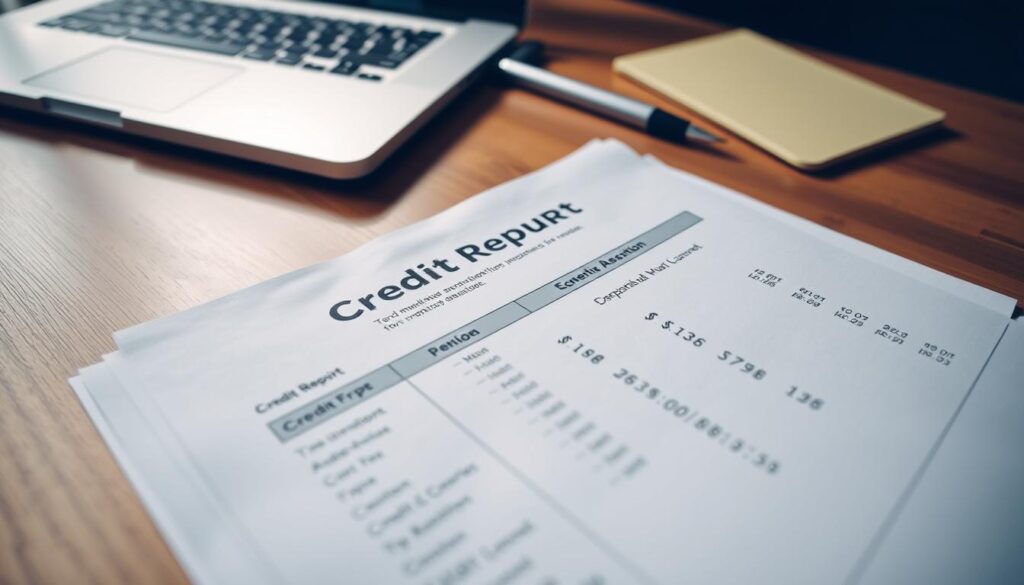
Having good credit lets you enjoy lower interest rates and better deals. We’ll show you what affects your score, how to improve your credit, and how to protect your identity while monitoring your progress.
Factors that influence your credit score
FICO and VantageScore are two main scoring systems, and they look at similar things. About 35% of your score comes from your payment history. The amount you owe, especially your credit utilization, is another 30%.
The length of your credit history is about 15%. New credit applications and hard inquiries make up roughly 10%. The type of credit you have, like loans and credit cards, accounts for the last 10%. A good score is between 670–739, very good scores are 740–799, and scores over 800 are excellent. Scores under 580 are considered poor by many lenders.
Practical steps to build or rebuild credit
Make sure to always pay your bills on time. This is crucial for improving your credit score.
Try to keep your credit usage below 30%. If you can, aim for below 10% to really boost your score.
Don’t close old accounts; they help extend your credit history. Opening too many new accounts can hurt your score.
Think about getting a secured credit card or a loan designed to build credit. Also, being added as an authorized user on someone else’s card can help too.
How to monitor your credit and protect against identity theft
Every year, get your free credit reports from AnnualCreditReport.com to check your standing with all three credit bureaus. For more regular checks, consider using services from Experian, TransUnion, Equifax, or apps like Credit Karma.
Protect yourself against identity theft by setting up fraud alerts or freezing your credit. Use strong passwords and enable extra security features on your accounts.
If you notice any strange activity, report it immediately to the Federal Trade Commission at IdentityTheft.gov and let the creditors know. Regularly monitoring your credit and being proactive can minimize harm and help you recover faster if your identity is stolen.
Maximizing Income and Increasing Earning Potential
Boosting your income combines immediate actions with plans for the future. Begin by finding opportunities that match your skills and free time. Consider time, starting costs, taxes, and scalability before diving in.
Side hustles and passive income ideas
Turning a skill into cash is easy with freelancing on Upwork or Fiverr. Driving for Uber or delivering for DoorDash lets you work whenever. Renting out a room on Airbnb provides monthly extra cash. Think about earning through stocks, lending, or online products for passive income.
Look at the time and money needed for each option. Remember, freelance or rental income means saving for taxes. Choose options that can grow, turning side jobs into stable income sources.
Negotiate salary and total compensation
Before asking for more pay, research salaries on Bureau of Labor Statistics, Glassdoor, and Payscale. Make your case based on your achievements and their impact.
Schedule talks around review times or after successful projects. Discuss not just salary but also benefits, retirement plans, and vacation days. Use offers from others wisely, focusing on a good fit rather than threats during negotiations.
Invest in skills for career development
Developing new skills pays off in the long run. Consider certifications, online courses, or degrees that increase pay. Sites like Coursera and LinkedIn Learning offer affordable courses.
See if your job will help pay for classes. Community colleges also provide useful skills without a big price tag. Ensure the education you choose will genuinely aid in raising your income.
Smart Spending Habits and Mindful Consumer Choices
Shopping smart means having clear rules and simple ways to follow. With mindful spending, you can avoid buying things on a whim. Plus, you’ll still have fun. Small changes can lead to big savings when you’re patient and use smart saving tips.
Needs vs. wants
Wait a day or two before buying things you might not need. This helps you figure out if it’s essential. Keep a list for big purchases and check it every month. Allow yourself some “fun money” each month. This way, you can enjoy spending without feeling bad and stay on budget.
Everyday savings tactics
Get money back with cashback apps and credit card rewards from places like Rakuten or Ibotta. Add browser tools like Honey or Capital One Shopping to spot deals and kuponai online. Look for the best prices and think about buying generic brands for everyday items to save money.
Buy things when they’re on sale and stock up on long-lasting goods during price drops. Join loyalty programs at stores for points and special kuponai. Before you buy, check past prices to know you’re getting a real deal and not overpaying.
Subscription management
Check your bank statements or use apps like Truebill or Rocket Money to track your subscriptions. Stop using services you no longer need. If you can, choose cheaper plans or lower your bills for things like phone and internet to save each month.
Set reminders once a year to review your subscriptions. Switching to yearly payments might lower costs. Doing regular checks helps you keep useful subscriptions and stop paying for things you don’t use. This way, you save money and get closer to your financial goals.
finance: Using Tools and Technology to Manage Money
Tech makes managing money simple. The combo of finance and budget apps shows cash flow, sets goals, and keeps you on track. Just pick your goal, select the right tools, and use automation to save time.
Top picks for budgeting and investment tracking
Mint offers free quick views of your spending. YNAB helps you follow strict budget rules if that’s your goal. Personal Capital is great for seeing your net worth and managing investments, with excellent tools for planning retirement.
If you’re into buying stocks, look at Fidelity, Charles Schwab, or Vanguard. They have lots of tools and good customer support. Robinhood is cool for easy trading. For a more hands-off approach, Betterment and Acorns adjust your investments for you.
How to use automation to build wealth
Automation makes saving effortless and consistent. Split your direct deposit so money goes into checking, savings, and investment accounts automatically. Set up auto-transfers to a high-yield savings account for emergencies.
Automatically send money to your 401(k) or IRA. Buy stocks each month automatically to spread out costs. Pay bills on autopilot to dodge late fees. Still, always double-check your accounts to avoid mistakes or overdrafts.
Practical security steps for online banking security
Good online banking security means using tough passwords and a manager like 1Password. Activate multi-factor authentication and get notifications for big transactions. Keep your phone and apps up-to-date. Stick with FDIC or NCUA insured banks. Avoid public Wi-Fi for banking unless you have a secure VPN. Check your statements weekly to catch any fraud quickly.
- Use finance apps that match your goals: budgeting apps for daily control, Personal Capital for investment tracking.
- Apply automation to savings, bill pay, and investing to build consistency without extra effort.
- Follow online banking security best practices to protect accounts and personal data.
Išvada
This summary of personal finance touches on key points: learn financial basics, build a budget that works, save for emergencies, manage debt wisely, save and invest for the future, work on your credit, increase your income, spend wisely, and use technology with care. These steps are the building blocks of wise money handling. They offer a clear recap of finance tips for daily life.
Are you ready to take the next steps? Make or review a budget this week. Start or add to an emergency fund. Set a short-term and a long-term financial goal. Check your credit reports. Choose an app to make payments or saving easier. Small steps like these make financial planning doable and help you keep moving towards financial security.
Improvement comes little by little: simple, steady habits build up to real security with time. If your finances are complicated, consider getting help from fee-only Certified Financial Planners or nonprofit credit counselors. They offer personalized advice. Go back to parts of this guide as your needs change, to stay smart about managing your money.
FAQ
What are the most important personal finance basics I should know?
Start by understanding income, expenses, savings, and debt. Keep track of your money in vs. money out every month. Figure out your net worth by subtracting what you owe from what you own.
Learn about assets, liabilities, and cash flow. Use this knowledge to make a budget and an emergency plan. These steps are key for handling your money smartly every day.
How do I choose a budgeting method that actually works for me?
Choose a budgeting way that fits your lifestyle and how often you get paid. You might like the 50/30/20 rule for simplicity. Or try zero-based budgeting for more control, or the envelope system to limit spending.
Tech can help too. Try budgeting apps, spreadsheets, or old-school paper. If your income varies, make a basic budget. Use your past earnings to set money goals.
How much should I keep in an emergency fund and where should I hold it?
Save up 3–6 months of living costs if you can. If your job income changes a lot, save for 6–12 months. Put your emergency money in a place that’s safe but easy to get to, like a high-yield savings account or money market.
Choose options like Ally or Marcus for savings. Just make sure you can get to your money fast without losing out on gains.
Should I pay down debt or build my emergency fund first?
Start with a small emergency fund, say,
FAQ
What are the most important personal finance basics I should know?
Start by understanding income, expenses, savings, and debt. Keep track of your money in vs. money out every month. Figure out your net worth by subtracting what you owe from what you own.
Learn about assets, liabilities, and cash flow. Use this knowledge to make a budget and an emergency plan. These steps are key for handling your money smartly every day.
How do I choose a budgeting method that actually works for me?
Choose a budgeting way that fits your lifestyle and how often you get paid. You might like the 50/30/20 rule for simplicity. Or try zero-based budgeting for more control, or the envelope system to limit spending.
Tech can help too. Try budgeting apps, spreadsheets, or old-school paper. If your income varies, make a basic budget. Use your past earnings to set money goals.
How much should I keep in an emergency fund and where should I hold it?
Save up 3–6 months of living costs if you can. If your job income changes a lot, save for 6–12 months. Put your emergency money in a place that’s safe but easy to get to, like a high-yield savings account or money market.
Choose options like Ally or Marcus for savings. Just make sure you can get to your money fast without losing out on gains.
Should I pay down debt or build my emergency fund first?
Start with a small emergency fund, say, $1,000, and then tackle high-interest debt. Once you’ve got a safety net, split extra money between saving more and paying down debt. Focus on high-interest debts to save money in the long run.
What’s the difference between the debt avalanche and snowball methods?
The avalanche method means paying off high-interest debts first. The snowball method has you clear the smallest debts first. Choosing one depends on what will keep you motivated.
When should I consider refinancing or consolidating debt?
Think about refinancing when interest rates drop or if your credit score jumps. Consolidate credit card debt with a lower-interest option if possible. Get advice from experts like the National Foundation for Credit Counseling for tricky cases.
How should I set savings and investing goals for the short and long term?
Set SMART goals for short (0–2 years), medium (3–7 years), and long (7+ years) terms. Match each goal with a timeline and how much risk you can handle. Save regularly by automating your deposits.
What are the basics of investing I should understand before I start?
Learn about different investment types like stocks, bonds, mutual funds, ir ETFs. Know about spreading out your investments to lower risk. Start with a 401(k) or IRA to save on taxes, especially if your job matches your 401(k) contributions.
How do 401(k), IRA, and HSA accounts differ and which should I fund first?
A 401(k) is from your job and may have free money from an employer match. IRAs grow your money without taxing it until you take it out; Roth IRAs let you pull out money tax-free later on. HSAs save you tax money on medical bills. First, get any 401(k) match, then pick an IRA or HSA based on taxes.
What most affects my credit score and how can I improve it?
Your payment history and how much of your credit you’re using matter most. Get better scores by paying on time and using less of your credit line. Also, keep old accounts open and limit hard credit checks. Check your credit for free at AnnualCreditReport.com.
How can I protect my credit and guard against identity theft?
Use strong passwords and a password manager. Turn on multi-factor authentication and check your account activity often. Freeze your credit if needed. Report any fraud and consider monitoring your credit for any new alerts.
What side hustles and passive income options are realistic for building extra income?
Try freelancing, gig work like Uber, renting out space, or stock dividends. Also think about creating online products or affiliate marketing. Check the time and money needed upfront, plus the tax impact. Always set aside part of your side hustle money for taxes.
How do I negotiate a raise or better benefits at work?
Look up what others in your job are paid using the Bureau of Labor Statistics or sites like Glassdoor. Make your case with your achievements. Talk about all parts of your pay, like bonuses or vacation days. Practice your talk and bring up other job offers if it makes sense.
What simple habits help control everyday spending without feeling deprived?
Think about needs vs. wants. Wait a day before buying things you don’t need right away. Give yourself a small spending allowance each month. Use apps and tools to find good deals. Compare prices, choose off-brand items, and put big wishes on a waiting list to avoid impulse buys.
How can I manage and reduce subscription and recurring expenses?
Check your regular payments and cut what you don’t use. Switch to cheaper plans and talk down bills for services like the internet. Set reminders to check on subscriptions yearly and think about paying yearly if it saves money.
Which apps and tools are best for budgeting, investing, and tracking net worth?
For budgeting, try Mint or YNAB. Personal Capital is good for watching your overall financial health. Use Fidelity or Vanguard for investing. Choose tools based on fees and how much control you want.
How do I automate savings and avoid missed payments?
Automate deposits to savings and retirement accounts. Set up automatic bill pay to avoid late fees. Keep an eye out to prevent overdrawing your account. Automation makes saving easier and helps with managing money over time.
What security practices should I follow for online banking and finance apps?
Make sure all your passwords are strong and different. Use a trusted password manager and two-factor authentication. Update your devices and use a VPN on public Wi-Fi. Choose banks that are insured and regularly check your transactions.
When should I seek professional financial advice and what kind should I choose?
Get help for big money issues like debt, buying a house, planning an estate, or setting up for retirement. Look for planners who are paid by fees only or non-profit counselors for debt issues. Always ask about their qualifications and fees first.
,000, and then tackle high-interest debt. Once you’ve got a safety net, split extra money between saving more and paying down debt. Focus on high-interest debts to save money in the long run.
What’s the difference between the debt avalanche and snowball methods?
The avalanche method means paying off high-interest debts first. The snowball method has you clear the smallest debts first. Choosing one depends on what will keep you motivated.
When should I consider refinancing or consolidating debt?
Think about refinancing when interest rates drop or if your credit score jumps. Consolidate credit card debt with a lower-interest option if possible. Get advice from experts like the National Foundation for Credit Counseling for tricky cases.
How should I set savings and investing goals for the short and long term?
Set SMART goals for short (0–2 years), medium (3–7 years), and long (7+ years) terms. Match each goal with a timeline and how much risk you can handle. Save regularly by automating your deposits.
What are the basics of investing I should understand before I start?
Learn about different investment types like stocks, bonds, mutual funds, ir ETFs. Know about spreading out your investments to lower risk. Start with a 401(k) or IRA to save on taxes, especially if your job matches your 401(k) contributions.
How do 401(k), IRA, and HSA accounts differ and which should I fund first?
A 401(k) is from your job and may have free money from an employer match. IRAs grow your money without taxing it until you take it out; Roth IRAs let you pull out money tax-free later on. HSAs save you tax money on medical bills. First, get any 401(k) match, then pick an IRA or HSA based on taxes.
What most affects my credit score and how can I improve it?
Your payment history and how much of your credit you’re using matter most. Get better scores by paying on time and using less of your credit line. Also, keep old accounts open and limit hard credit checks. Check your credit for free at AnnualCreditReport.com.
How can I protect my credit and guard against identity theft?
Use strong passwords and a password manager. Turn on multi-factor authentication and check your account activity often. Freeze your credit if needed. Report any fraud and consider monitoring your credit for any new alerts.
What side hustles and passive income options are realistic for building extra income?
Try freelancing, gig work like Uber, renting out space, or stock dividends. Also think about creating online products or affiliate marketing. Check the time and money needed upfront, plus the tax impact. Always set aside part of your side hustle money for taxes.
How do I negotiate a raise or better benefits at work?
Look up what others in your job are paid using the Bureau of Labor Statistics or sites like Glassdoor. Make your case with your achievements. Talk about all parts of your pay, like bonuses or vacation days. Practice your talk and bring up other job offers if it makes sense.
What simple habits help control everyday spending without feeling deprived?
Think about needs vs. wants. Wait a day before buying things you don’t need right away. Give yourself a small spending allowance each month. Use apps and tools to find good deals. Compare prices, choose off-brand items, and put big wishes on a waiting list to avoid impulse buys.
How can I manage and reduce subscription and recurring expenses?
Check your regular payments and cut what you don’t use. Switch to cheaper plans and talk down bills for services like the internet. Set reminders to check on subscriptions yearly and think about paying yearly if it saves money.
Which apps and tools are best for budgeting, investing, and tracking net worth?
For budgeting, try Mint or YNAB. Personal Capital is good for watching your overall financial health. Use Fidelity or Vanguard for investing. Choose tools based on fees and how much control you want.
How do I automate savings and avoid missed payments?
Automate deposits to savings and retirement accounts. Set up automatic bill pay to avoid late fees. Keep an eye out to prevent overdrawing your account. Automation makes saving easier and helps with managing money over time.
What security practices should I follow for online banking and finance apps?
Make sure all your passwords are strong and different. Use a trusted password manager and two-factor authentication. Update your devices and use a VPN on public Wi-Fi. Choose banks that are insured and regularly check your transactions.
When should I seek professional financial advice and what kind should I choose?
Get help for big money issues like debt, buying a house, planning an estate, or setting up for retirement. Look for planners who are paid by fees only or non-profit counselors for debt issues. Always ask about their qualifications and fees first.
Turinys, sukurtas pasitelkiant dirbtinį intelektą.