Annunci
This guide outlines the budget fashion trends to watch in 2026. It shows what affordable style can look like next year. It covers budget-friendly clothing trends and practical ways to build a wardrobe without overspending.
It was written for women aged 16–34 who shop and scroll on mobile, especially on Instagram and TikTok. The tone is friendly, direct, and transparent. It offers quick tips for fast reading and easy action.
Annunci
The article is organized into nine clear sections. Readers will find capsule wardrobe ideas and mix-and-match formulas. It also includes thrifty shopping tactics, DIY refreshes, where to buy, styling tips, and guidance on balancing cost with ethics. No exaggerated promises—just realistic advice to help choose pieces that work and last.
Punti chiave
- Budget fashion trends for 2026 focus on smart basics and versatile styling.
- Practical, scannable tips make it easy to find budget-friendly clothing trends.
- Everyday outfits can come from inexpensive fashion picks with the right mix-and-match rules.
- Thrifty shopping and simple DIY altercations extend wardrobe value.
- The guide balances low cost with realistic advice on quality and longevity.
Budget fashion trends: What’s new for 2026
Affordable style is moving fast in 2026. Digital shopping, creator culture, and resale growth push ideas from runway to closet in weeks.
Shoppers want pieces that feel current without breaking the bank. This shift fuels a mix of timeless basics and bold accents that stretch cost per wear.
Macro trends shaping affordable style
Social platforms shorten trend cycles, creating a stream of micro-trends. Brands like Zara and H&M adapt by offering quick-turn items.
These items pair well with core wardrobe staples. Resale apps like Poshmark and Depop increase access to unique finds and reduce pressure to buy new.
Value matters more than low price alone. Buyers look for versatile pieces that photograph well and perform in real life.
That mix drives many of the current budget fashion trends.
Why budget fashion matters in 2026
Economic concerns encourage smarter purchases. People want variety without overspending, which fuels budget-friendly clothing trends.
Affordable options let users try color, fit, and new silhouettes without long-term commitment.
Environmental worries shape choices too. Choosing well-made, low-cost items or curated secondhand pieces cuts waste while keeping style options open.
Peer reviews and try-on videos guide many decisions.
Key materials and silhouettes to expect
- Cotton blends: breathable, easy to care for, and cost-effective for everyday wear.
- Modal and Tencel blends: soft drape with good durability for tees and slip dresses.
- Recycled polyester: lightweight and strong for outerwear and utility pieces.
- Mid-weight knits: hold shape, layer well, and last through seasons.
- Relaxed tailoring: soft blazers and roomy trousers that mix with basics.
- Straight-leg jeans: classic fit that pairs with sneakers or boots.
- Cropped cardigans: versatile layer over tees or dresses for casual polish.
- Slip dresses over tees: an easy, trend-forward combo that reads modern.
- Utility-inspired outerwear: pockets and structure for practical style.
Each material and silhouette balances price with longevity. Mid-weight fabrics and simple shapes raise cost-per-wear while keeping looks fresh.
Expect these elements to dominate low-cost outfit trends across resale apps and high-street racks.
Everyday affordable style inspiration
Practical ideas make dressing well simple and cheap. This section shares clear capsules, repeatable outfit formulas, and small seasonal swaps. These keep a wardrobe fresh without big spending.
Use these tips for quick decisions before a stream or for packing light.
Capsule wardrobe ideas on a budget
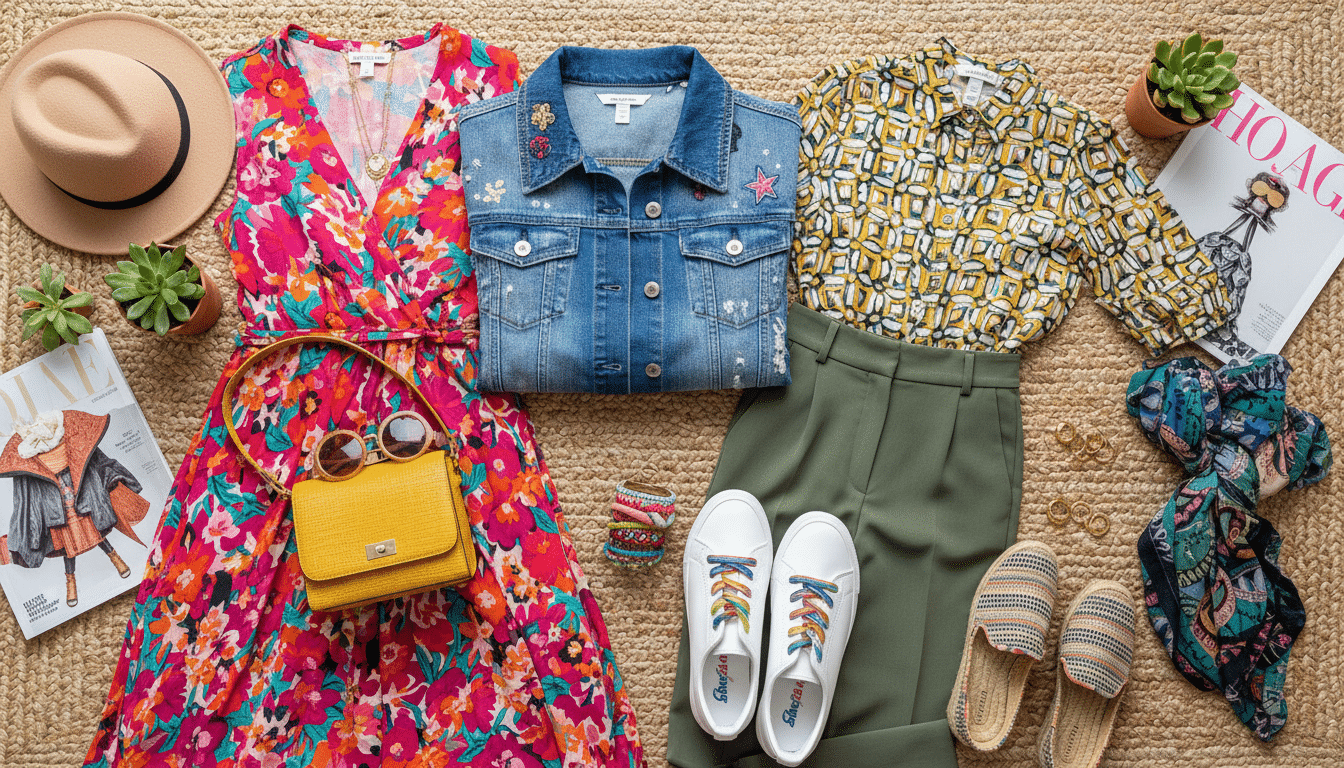
Build a 10–12 piece seasonal capsule that mixes basics with one or two trend items. Start with a neutral blazer, a white tee, straight jeans, a versatile dress, a knit, and one statement accessory like a bold scarf or belt.
Choose neutral base pieces that pair easily. Add a trending skirt or colored shoe to refresh looks. This approach supports affordable style inspiration while stretching each purchase across many outfits.
Mix-and-match formulas for low-cost outfit trends
Replicate easy formulas to get more outfits from fewer pieces. Try these three low-cost outfit trends:
- Blazer + tee + jeans.
- Slip dress + tee + sneakers.
- Knit + midi skirt + boots.
Pick a color anchor like navy or camel and repeat one statement piece in three outfits. That makes the wardrobe feel larger without extra buys and supports frugal wardrobe ideas.
Seasonal affordable looks for year-round wear
Small swaps change a look with minimal cost. Swap sandals for ankle boots. Add thin thermals under dresses, and layer a lightweight jacket in transition months.
Prioritize breathable fabrics for warm weather and durable knits for cold months. These choices keep garments wearable longer and support low-cost outfit trends across seasons.
Thrifty fashion tips for smart shopping
Smart shopping starts with a clear plan and a calm scroll. Pick a few target pieces, set price alerts, and keep outfit goals simple.
Questi thrifty fashion tips help turn impulse clicks into thoughtful buys.
How to find high-quality pieces at low prices
Inspect construction before checkout. Check seams and stitching for even lines and no loose threads.
Read material labels for fiber content and favor mid-weight fabrics that drape well.
Look for reinforced stress points at pockets and hems.
- Ask to see customer photos and read reviews for real wear reports.
- Prefer plain weaves over flimsy knits for longer life.
- Try on or measure items against a trusted garment for fit cues.
Timing sales, off-season buys, and discount strategies
Buy seasonal items when demand drops. Coats and boots are cheapest late winter, swimwear is best in fall.
Use end-of-season clearances to stock wardrobe staples and basics.
- Join loyalty programs and use student or sign-up promos for extra savings.
- Prioritize essentials during big sale events rather than impulse buys.
- Track price history so you know when a deal is real.
Using apps and browser extensions to save on clothes
Leverage tools that compare prices and catch coupons automatically.
- Use price-tracking apps to set alerts on must-have items.
- Install browser extensions that auto-apply discounts and show cashback options.
- Try coupon aggregators and cashback services to stack small savings.
Review app permissions before installing and limit shared data.
Small tech habits unlock consistent wins on budget fashion trends and help you score inexpensive fashion picks without stress.
Frugal wardrobe ideas: Upcycling and DIY
This part shows practical, low-cost ways to refresh a closet and get affordable style inspiration. Short projects can make tired pieces feel new.
Small investments in tailoring or basic supplies often pay off with longer wear and a sharper look.
Simple alterations to refresh old garments
Shorten hems, take in side seams, swap buttons, and add new zippers to improve fit fast. These fixes work on dresses, skirts, and denim.
A local tailor like those at reputable dry cleaners can handle tricky alterations for a modest fee.
Measure before cutting, try on after pinning, and keep original trims in a safe place. Better fit makes outfits look more expensive without a big spend.
DIY embellishments and customization trends
Start with one focal area: a collar, pocket, or cuff. Test embroidery, fabric paint, or a patch on scrap fabric first.
Choose removable details when possible so pieces remain versatile.
- Embroidery patches: outline a simple design and stitch with an embroidery hoop.
- Fabric paint accents: stencil a geometric motif and heat-set per paint instructions.
- Detachable collars and cuffs: attach with snaps or small buttons for easy swaps.
These DIY moves give personal flair and deliver affordable style inspiration without complex tools.
Upcycling basics for economical fashion looks
Turn oversized shirts into slip dresses, cut jeans into shorts, or layer fabric panels for new textures.
Use proper needles and stitch types for denim and knits to avoid rips.
- Plan: sketch the transformation and gather materials.
- Test: try seams on a scrap and adjust tension on your machine.
- Finish: hem edges and reinforce stress points with topstitching.
Upcycling basics help stretch a wardrobe and spark creativity. They keep costs low while extending garment life.
Where to shop: Best budget-friendly retailers and resale
The right shopping spots make budget-friendly clothing trends feel easy to wear. This short guide points to places that balance price, style, and quality.
Pick based on the piece you need: statement items, daily basics, or unique vintage gems.
Top fast-fashion and value retailers to watch
- Trend-forward low-price chains are good for bold pieces that update a look without a big spend.
- Value retailers shine for everyday basics like tees, jeans, and activewear; focus on fit and fabric, not labels.
- Direct-to-consumer brands often offer well-priced staples and transparent sizing; try one piece before building a capsule.
Thrift stores, consignment, and online resale platforms
- Resale platforms are ideal for unique finds and higher-quality vintage at lower cost per wear.
- Use filters to narrow size and condition, read descriptions carefully, and ask sellers about seams or discoloration.
- Check return policies before you buy and inspect photos closely to avoid surprises on delivery.
Local marketplaces and community swaps for inexpensive fashion picks
- Neighborhood marketplaces and swap events let you trade unwanted items for pieces you’ll actually wear.
- Social apps and local groups often post curated items from real people, which can yield rare bargains.
- Follow simple etiquette: confirm condition, agree on pickup details, and be punctual when meeting sellers.
Mixing these sources helps keep your wardrobe fresh under tight budgets. Use resale platforms alongside value retailers. This lets you follow budget-friendly trends without losing quality.
For quick wins, target inexpensive picks that suit your daily routine. Prioritize fit over brand for the best value.
Styling tips for low-cost outfit trends
Simple tricks can turn everyday pieces into looks that feel planned and stylish. These tips focus on easy moves anyone can use. They help you follow low-cost trends and find affordable style without spending more.
Accessorizing to elevate budget pieces
Invest in a few quality accessories to dress up basic items. A thin leather belt, silk scarf, and structured tote can make jeans and a tee look polished.
Try these quick combos:
- Thin belt over a cardigan for shape and polish.
- Silk scarf tied at the neck on a plain tee to add color and texture.
- Layered necklaces with a simple dress for a delicate focal point.
Layering techniques for versatile looks
Layering adds both style and function to outfits. It keeps your look adaptable and fresh. Use tonal layers for a refined feel and contrasting textures to keep interest.
Practical tips:
- Start with a thin base layer to avoid bulk and keep proportions clean.
- Short jacket over a longer top creates modern silhouettes that look expensive.
- Mix knit, denim, and lightweight cotton to balance warmth and movement.
Color and pattern strategies to maximize outfits
Build a neutral foundation first. Then add one or two accent colors or patterns. This approach stretches your wardrobe choices and stays on-trend without costing more.
Rules to follow:
- Pair a small-scale pattern with solids to prevent visual clutter.
- Keep one focal piece per outfit, like a printed skirt or bold bag.
- Save outfit ideas in a digital moodboard or saved posts for quick reference when dressing.
Sustainability and ethics within economical fashion looks
Smart shopping can be good for the planet and your wallet. This guide helps you balance price with values. It also shows how to spot better options and care for garments to make them last longer.
Balancing cost with responsible choices
Choose longer-lasting staples instead of fast trends to get more use from each piece. Secondhand items cut cost and waste, often offering higher-quality fabrics. Look for brands that share supply-chain details to weigh price and ethics.
Small acts, like mending a seam or washing less often, reduce waste and save money over time. These habits make economical fashion practical investments.
Affordable sustainable brands and certifications to look for
- Check for clear material sourcing and use of recycled fibers.
- Watch for trusted labels such as the Global Recycled Standard or OEKO-TEX when evaluating textiles.
- Read brand transparency pages and care instructions to judge durability and true value.
These markers help you find pieces that match ethical goals without blowing the budget.
Caring for clothes to extend lifespan and save money
- Wash on gentle cycles and use cold water to protect fibers.
- Air-dry when possible and use a pilling tool for worn areas.
- Learn basic repairs: sewing buttons and fixing hems prevents tossing clothes early.
- Store seasonal items properly to avoid fabric damage and moths.
Intentional care supports sustainability. It also fits frugal wardrobe ideas by stretching each garment’s useful life.
Conclusione
This guide pulls together the clearest budget fashion trends and thrifty tips for the year ahead. Focus on versatile staples, mix-and-match formulas, and smart timing for sales. Embrace resale and upcycling to lift inexpensive pieces into polished looks using accessories.
For practical next steps, build a small seasonal capsule and set price alerts for items you want. Try one DIY or simple alteration this month to refresh a favorite garment. These affordable style inspiration moves save money and improve daily outfits.
Budgets and results will vary, so treat these tips as a flexible plan rather than strict rules. Experiment and follow creators and brands you trust for fresh ideas. Use these strategies to make choices that feel good and last longer.
Contenuti creati con l'ausilio dell'intelligenza artificiale.